Aga Khan University Hospital Expands Robotic Surgery to Ovarian Cyst Removal
October 29, 2026
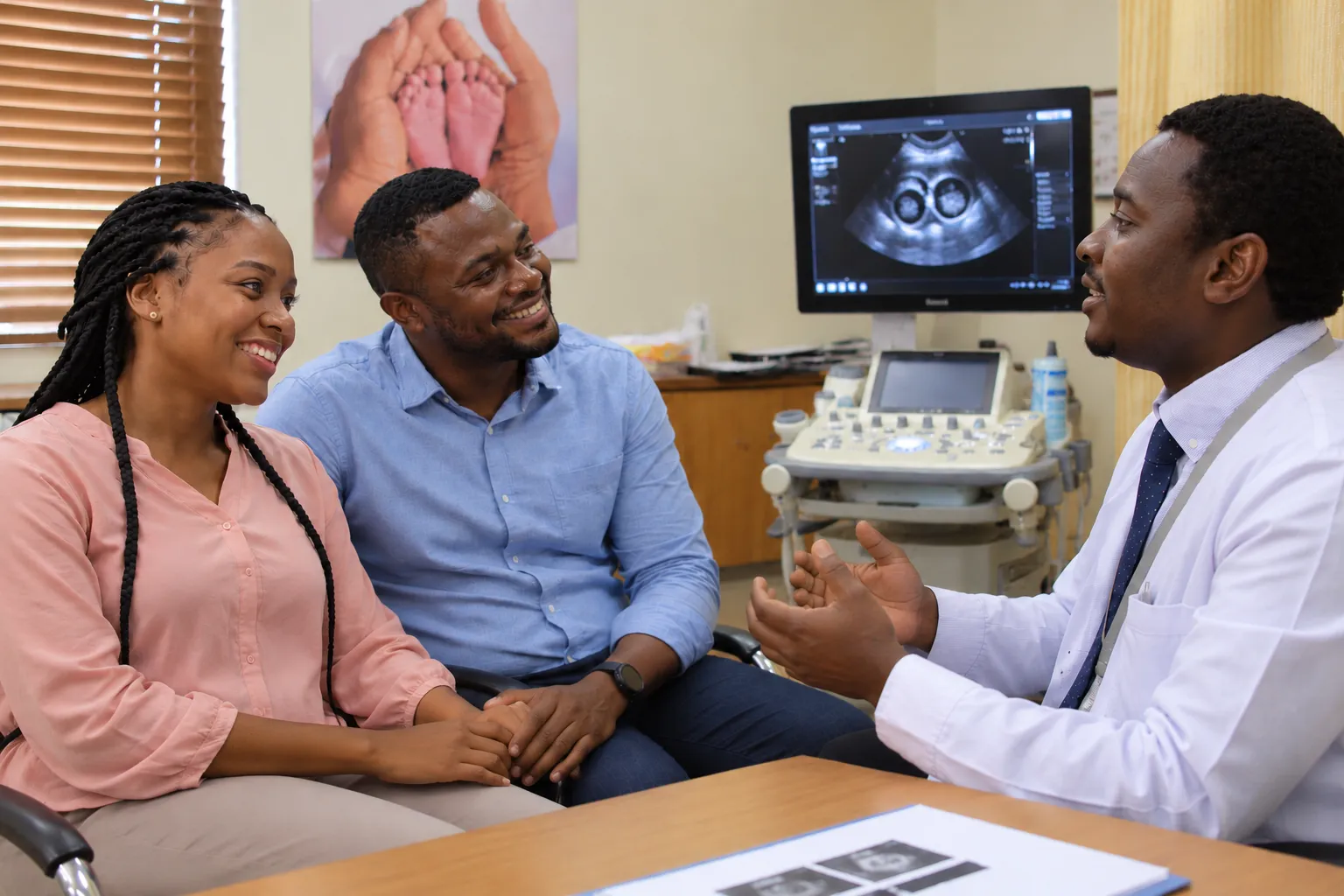
The Aga Khan University Hospital, Nairobi has launched a one-stop Fertility Centre at its Peponi Specialty and Executive Clinic in Westlands, expanding access to advanced fertility care in the region.
Led by a multi-disciplinary team of fertility specialists the centre serves people exploring fertility treatment options including for a first or subsequent delayed conception or seeking to preserve future fertility.
The centre is equipped with modern, state-of-the-art equipment and technology and aims to deliver services at the highest standards of quality, safety, and ethical practice.
According to the World Health Organization, approximately one in six people of reproductive age worldwide experience infertility during their lifetime. This includes individuals trying for first or subsequent delayed conception, defined as longer than 12 months of regular intercourse.
“Fertility challenges can have a significant impact on individuals and families, and couples deserve access to expert care, accurate information and treatment options within a supportive healthcare environment,” said Dr Elkanah Omenge, Chair of the hospital’s Department of Obstetrics and Gynaecology.
Services available at the new centre include fertility assessment for both male and female partners, as well as treatment options such as ovulation induction, intrauterine insemination (IUI), in vitro fertilisation (IVF) and intracytoplasmic sperm injection (ICSI).
“Difficulty conceiving can result from factors affecting either partner, which is why our assessments involve both women and men,” said Dr Charles Muteshi, Section Head of Fertility Services at the hospital.
“In women, these may include age, ovulation problems, blocked fallopian tubes, fibroids, endometriosis and polycystic ovary syndrome. Untreated reproductive infections, certain cancer treatments and some surgeries can also affect fertility. Assessing both partners helps us understand the causes and recommend appropriate treatment.”
Male-related factors may include low sperm count, problems with sperm movement or function, hormonal disorders and blockages in the reproductive tract. In some cases, the cause of infertility remains unexplained.
“The centre is committed to delivering advanced, evidence-based treatment through an ethical, patient-centred approach that prioritises safety, informed consent and confidentiality. This includes helping patients understand the potential benefits, risks and limitations of treatment, setting realistic expectations and respecting their dignity, values and choices,” added Dr Omenge.
The centre reflects the hospital’s commitment to expanding access to specialised care in the region.
Related News & Blogs
You can read related news and blogs